How to import diamonds from India.
Most of the world’s diamonds are cut and polished in India. Buying direct from an Indian manufacturer cuts out layers of margin — if you know how the process works.
Why buy from India
Surat, in Gujarat, is the world’s largest diamond cutting and polishing centre, and Mumbai’s Bharat Diamond Bourse is one of the largest diamond trading hubs anywhere. Buying from an Indian manufacturer means buying close to the source: the stones were planned, cut and graded by the people quoting you, with fewer hands — and fewer margins — in between.
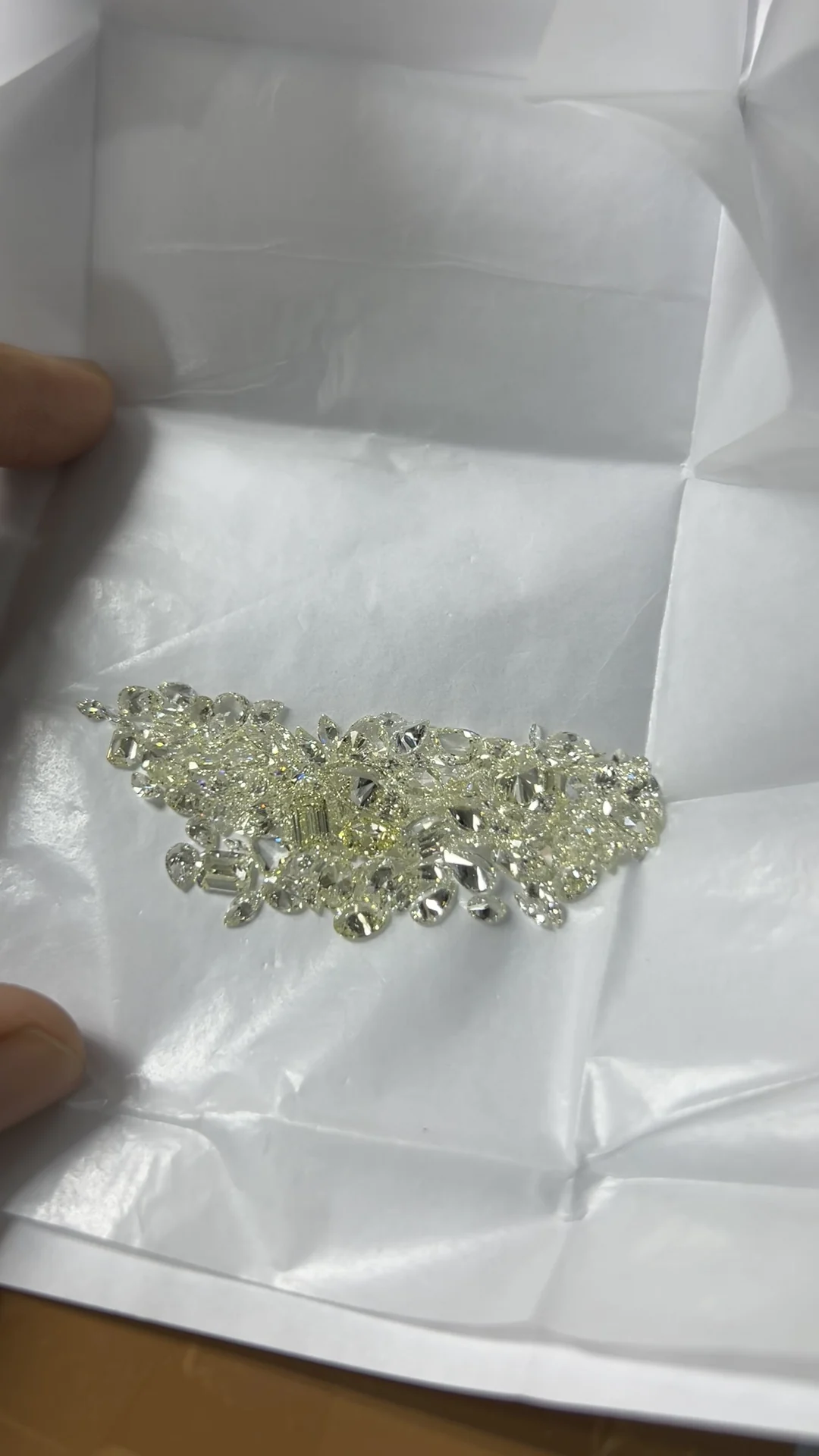
Choosing a supplier
- Manufacturer or trader? A manufacturer controls make and consistency, and can cut to order. A trader resells others' goods.
- Memberships: look for GJEPC (Gem & Jewellery Export Promotion Council) membership and a presence at a recognised bourse.
- Grading: confirm which labs they certify with — GIA, IGI or both — and how they grade parcels that are not individually certified.
- Transparency: ask for video of the exact stones you are buying, and for report numbers you can check yourself.
Quotes and payment
A clear quote states each stone (or parcel specification), its report number where certified, the price, the currency, the shipping and insurance terms and how long the quote is valid — diamond prices move, so quotes are short-lived. Payment between businesses is normally by international bank transfer; for larger or repeat business, buyers and suppliers may agree other terms. Never pay before you have checked the report numbers against the lab's own database.
Conflict-free paperwork
The Kimberley Process certifies rough diamonds as they cross borders. For polished goods, ask how the rough was sourced and which papers travel with the parcel: grading reports, the commercial invoice and the export documents for customs.
Shipping and customs
Diamonds travel by specialist insured carriers or insured air freight, door to door, cleared through Indian customs at export and through your country's customs on arrival. Import duties, sales taxes and any trade measures differ by country and change over time, so confirm the current position with your customs broker before your first order, and agree in the quote who pays them.
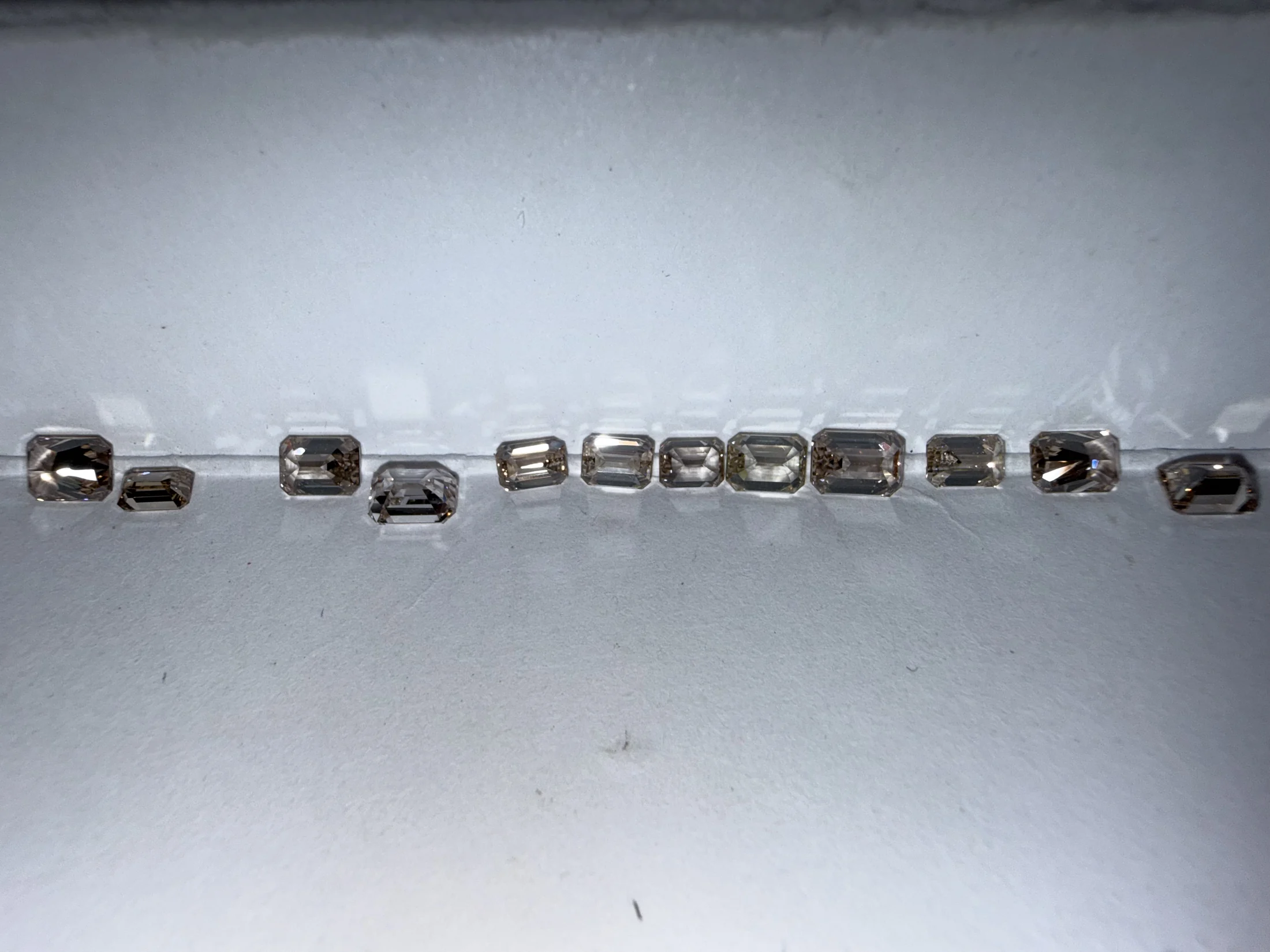
A first-order checklist
- Send a clear specification: shape, size, colour, clarity, lab and quantity.
- Ask for video and report numbers; verify the reports on the lab websites.
- Get a written quote with price, currency, validity, shipping and insurance terms.
- Check your import duty and tax position with a customs broker.
- Ask how the rough was sourced and which documents ship with the goods.
- Inspect the goods on arrival against the reports before setting them.
Buying from us for the first time? See our shipping lanes and certifications, or send your specification to the desk — we reply within one hour during desk hours.
Questions buyers ask
Straight answers from the deskDo polished diamonds need a Kimberley Process certificate?
The KP certificate applies to rough diamonds. For polished goods, ask how the rough was sourced; every rough stone we cut arrives with Kimberley Process documentation.
How are diamonds shipped from India?
By specialist insured carriers or insured air freight, door to door, with export documents for Indian customs and import clearance at destination.
Who pays import duty?
That depends on the terms agreed in your quote. Duty and tax rates vary by country and change over time, so confirm them with your customs broker.
Anand Exports has been our primary rough supplier for over twelve years. Their consistency in parcel quality and documentation is unmatched in the market.