All Diamond Shapes
Compared
A complete reference covering all 15 diamond cuts — facet counts, ideal proportions, brilliance characteristics, and price positioning relative to round brilliant. All shapes available wholesale from Anand Exports.
At a Glance — Shape Comparison
| Shape | Facets | Ideal L:W | Brilliance | vs. Round Price | Best For |
|---|---|---|---|---|---|
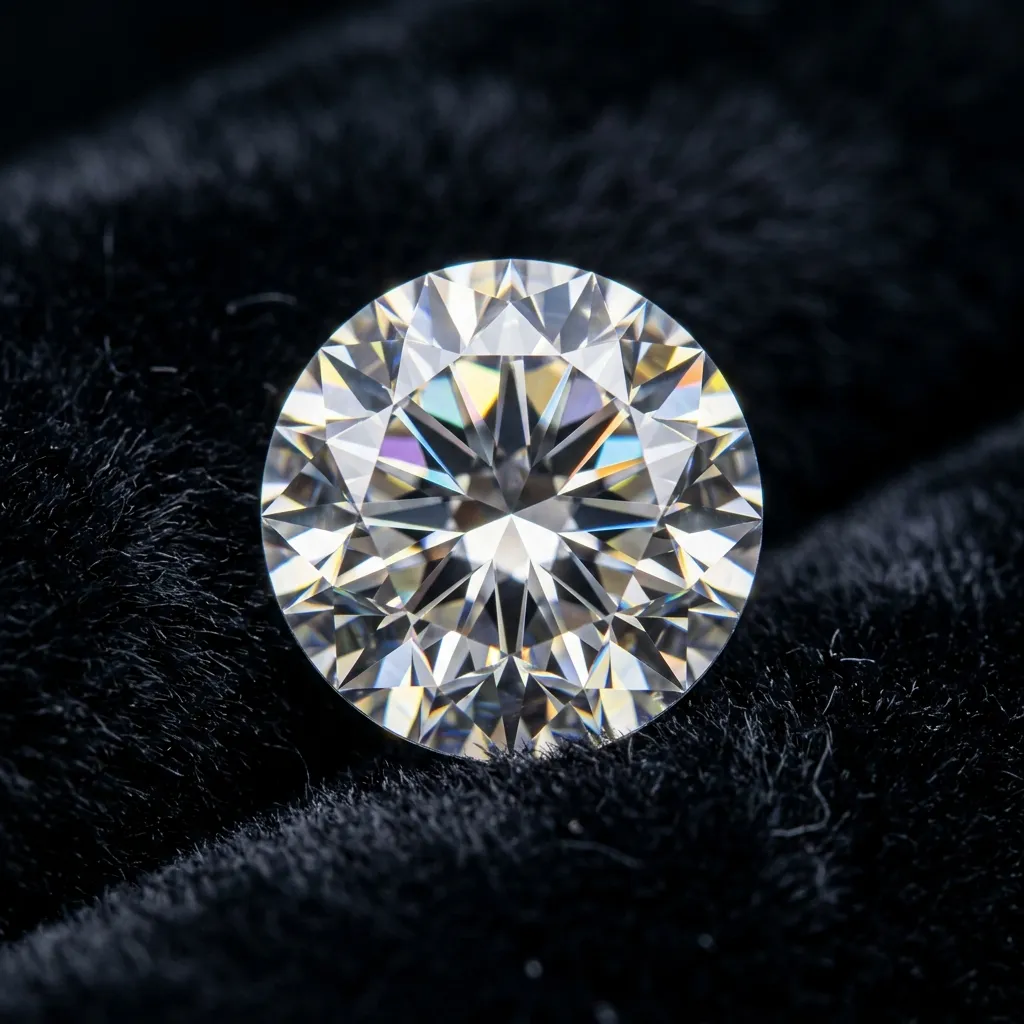
| Round Brilliant | 57–58 | 1.00 | Highest | Benchmark | Solitaires, studs, all jewellery |
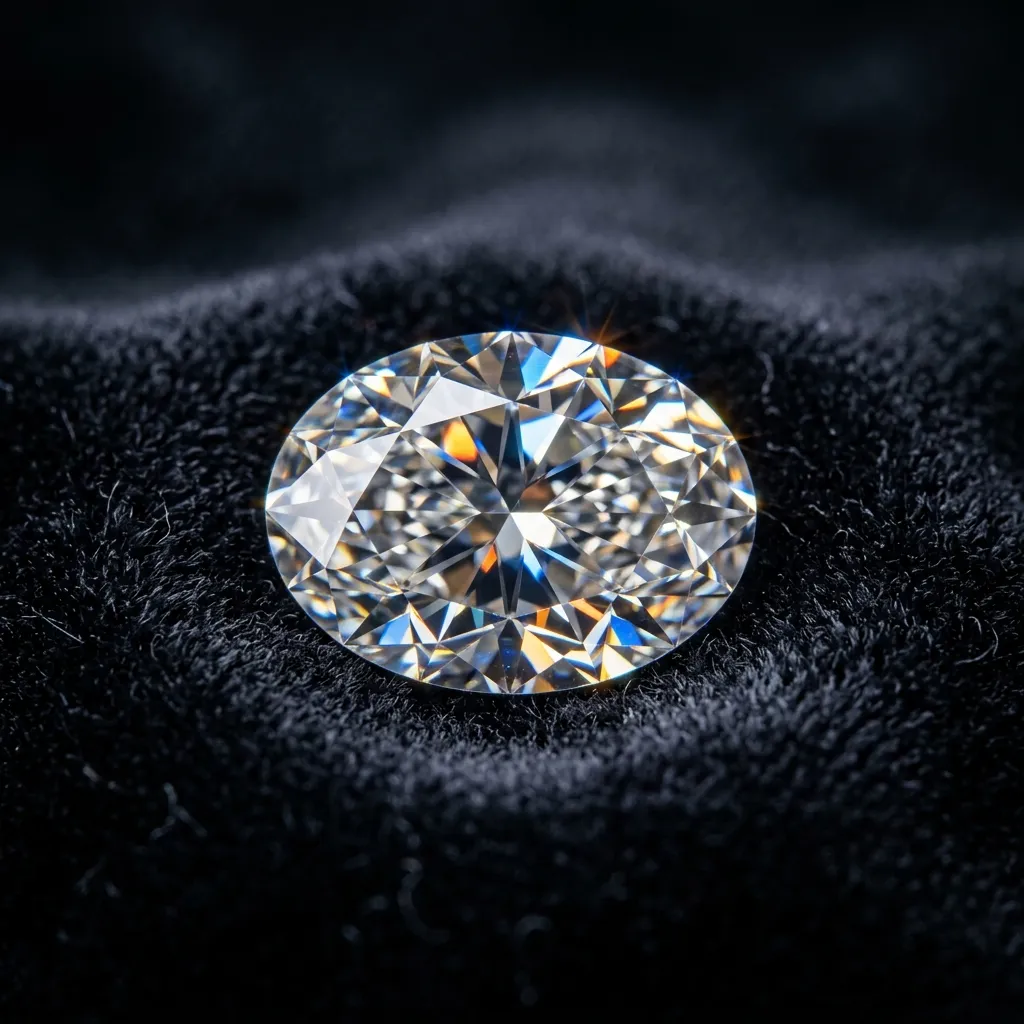
| Oval | 57–58 | 1.30–1.50 | Very high | −10 to −20% | Engagement rings, pendants |
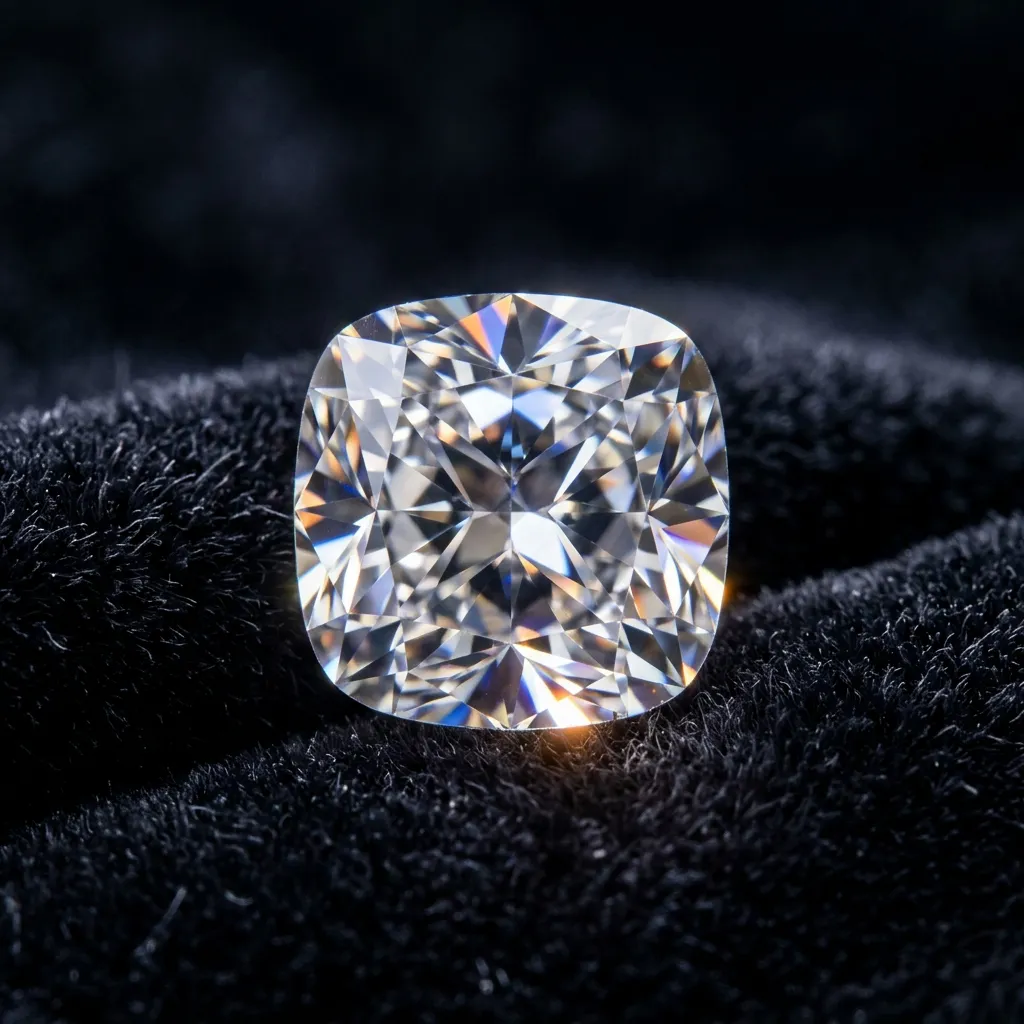
| Cushion | 58–64 | 1.00–1.30 | High | −15 to −25% | Engagement rings, halos |
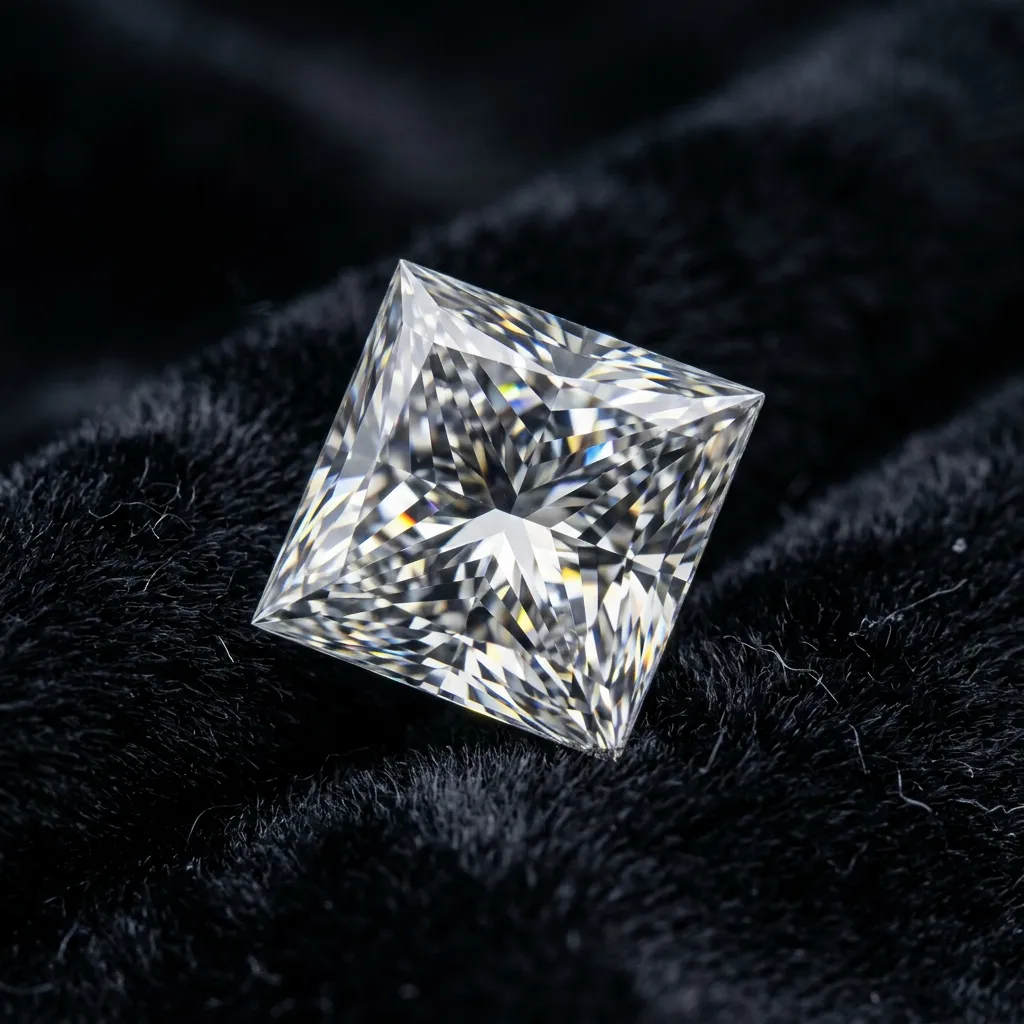
| Princess | 57–76 | 1.00–1.05 | High | −10 to −20% | Solitaires, channel settings |
| Emerald | 57–58 | 1.30–1.50 | Moderate (step) | −20 to −30% | High-clarity showcase pieces |
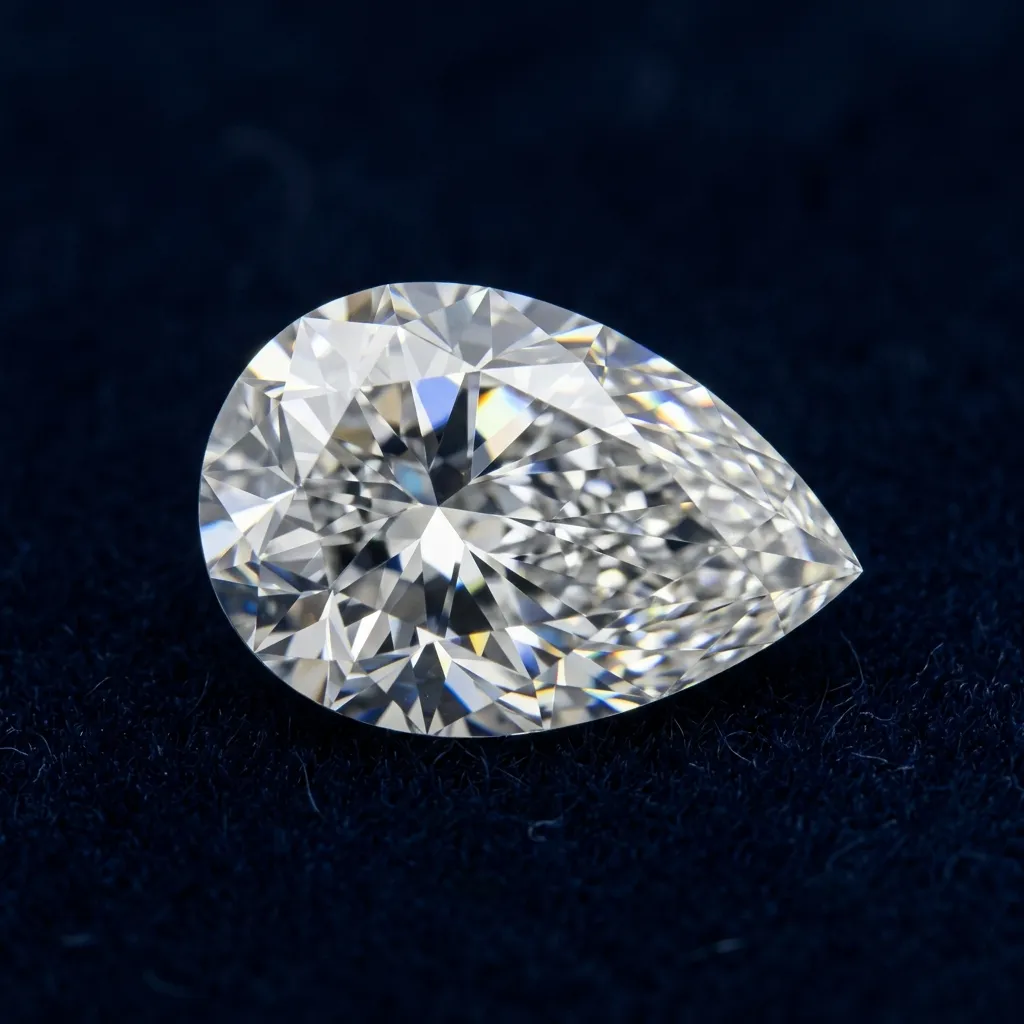
| Pear | 57–58 | 1.45–1.75 | Very high | −15 to −25% | Pendants, east-west rings |
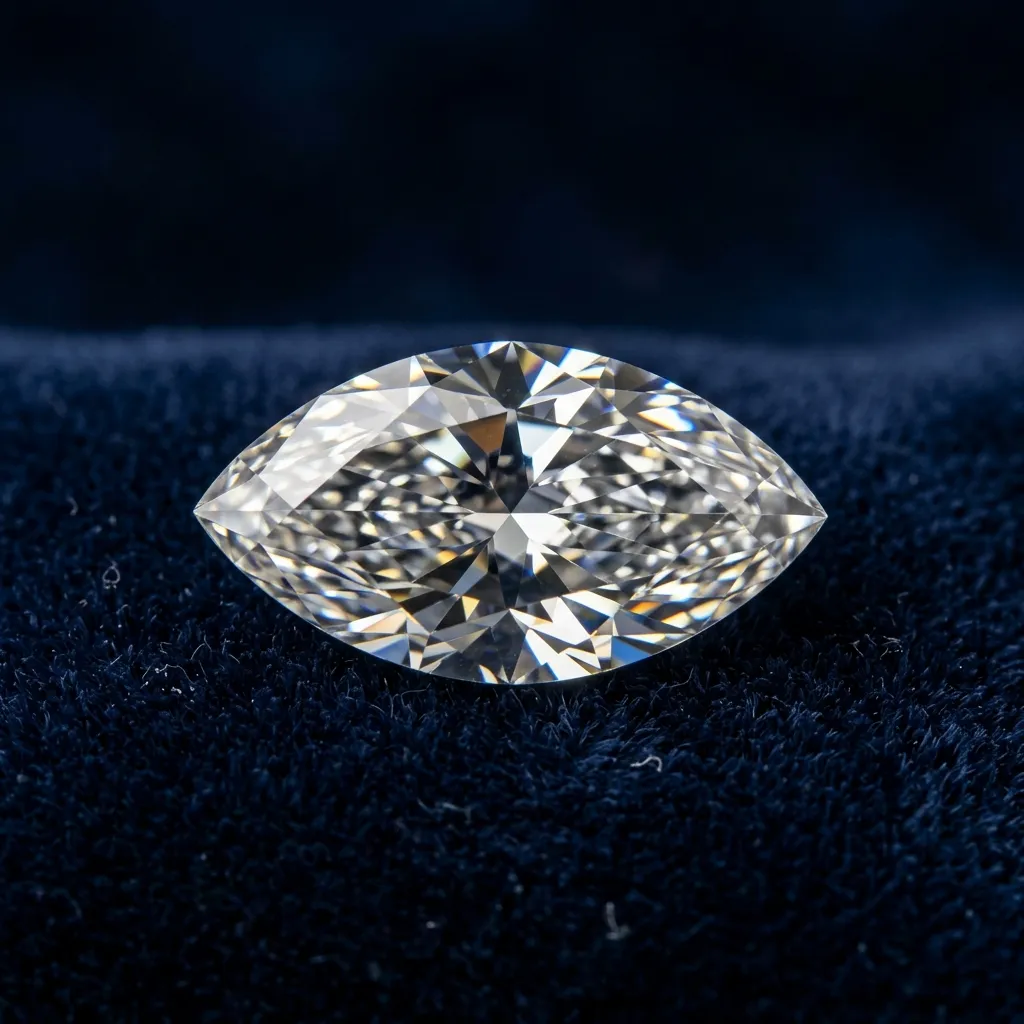
| Marquise | 57–58 | 1.75–2.25 | High | −15 to −25% | Solitaires, elongated rings |
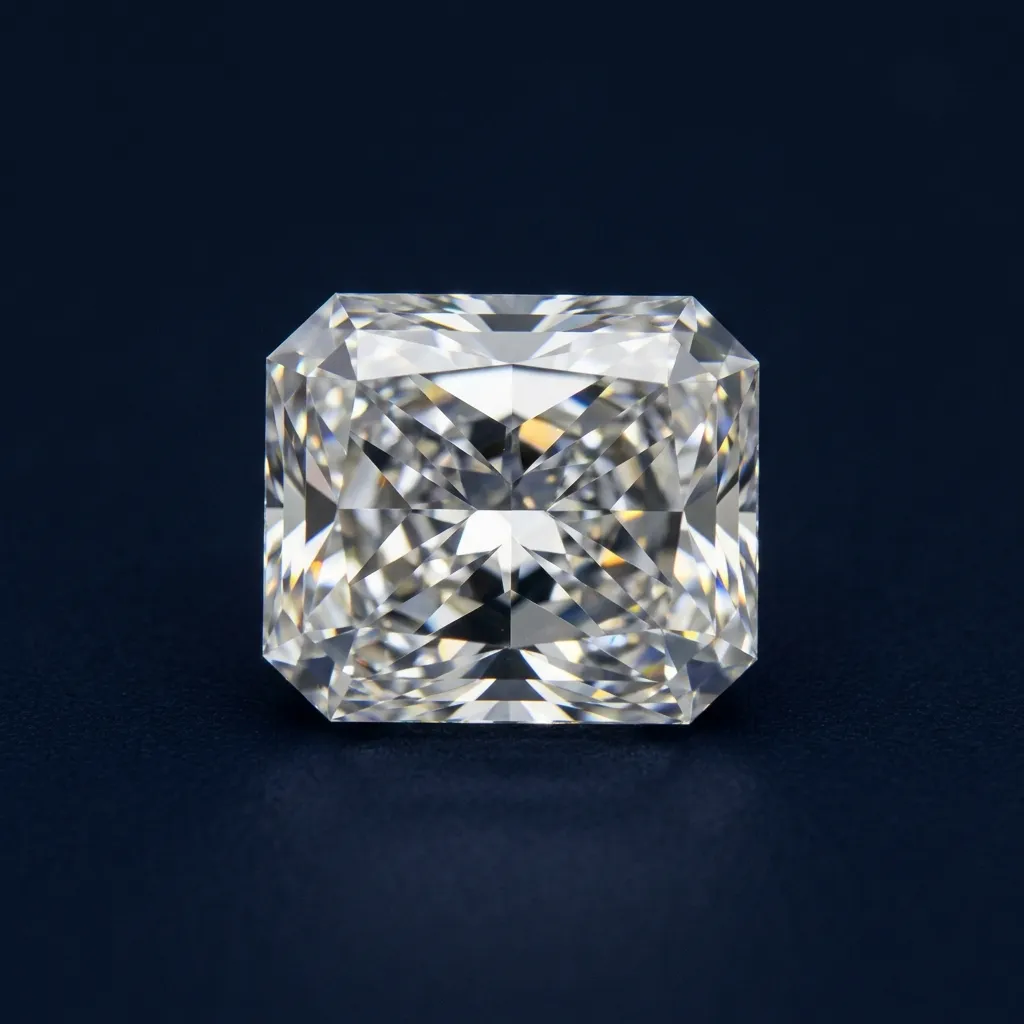
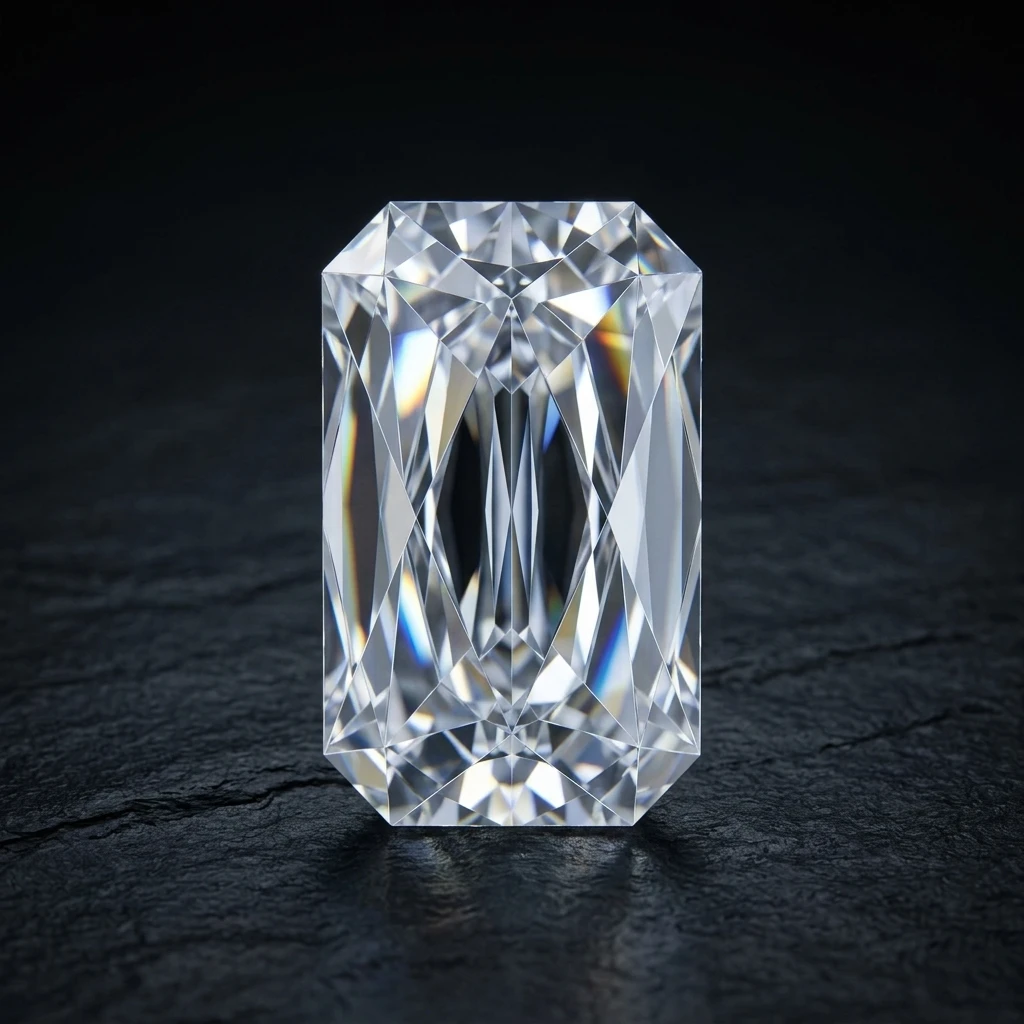
| Radiant | 70 | 1.00–1.50 | Very high | −15 to −25% | Coloured diamond settings |
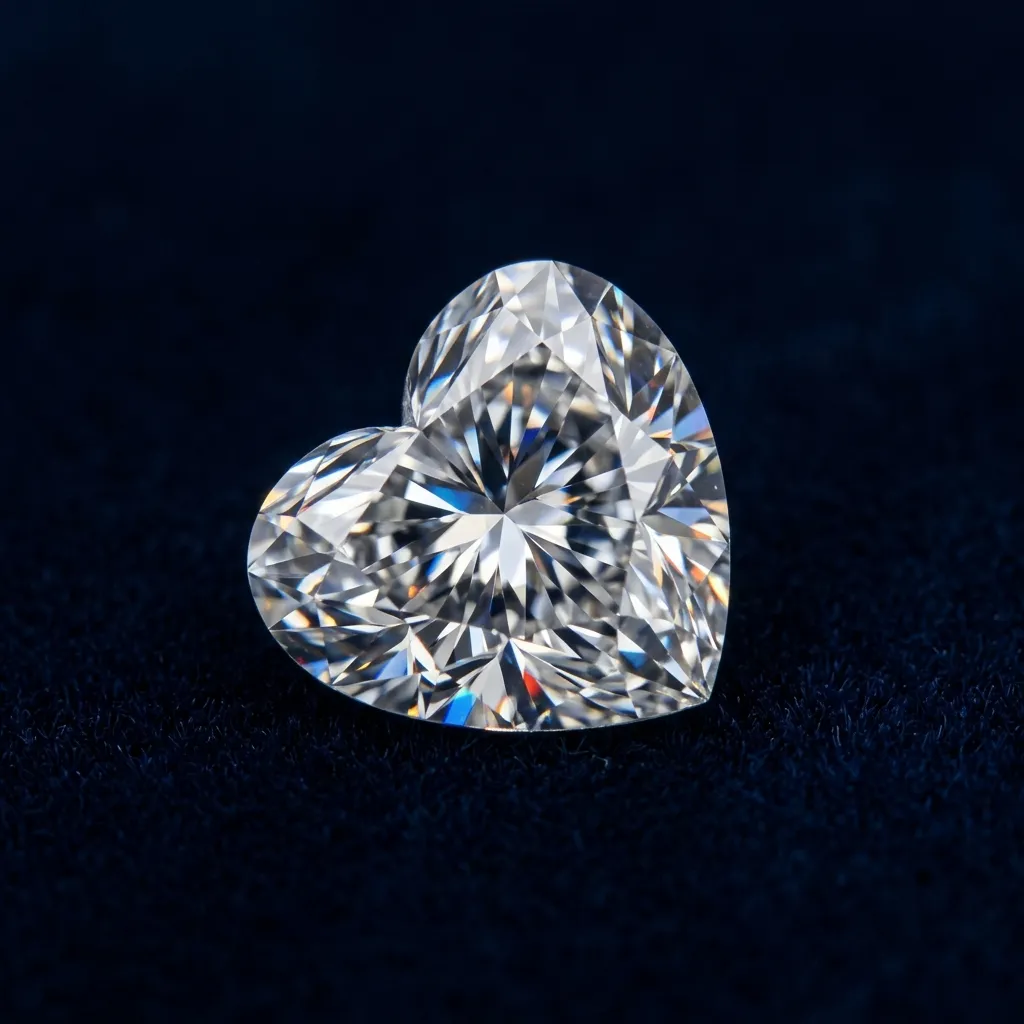
| Heart | 59 | 0.90–1.10 | High | −15 to −25% | Gift jewellery, pendants |
| Asscher | 58 | 1.00–1.05 | Moderate (step) | −20 to −30% | Art Deco, vintage rings |
| Ashoka | 62 | 1.45–1.55 | Very high | −10 to −20% | Luxury solitaires, bespoke |
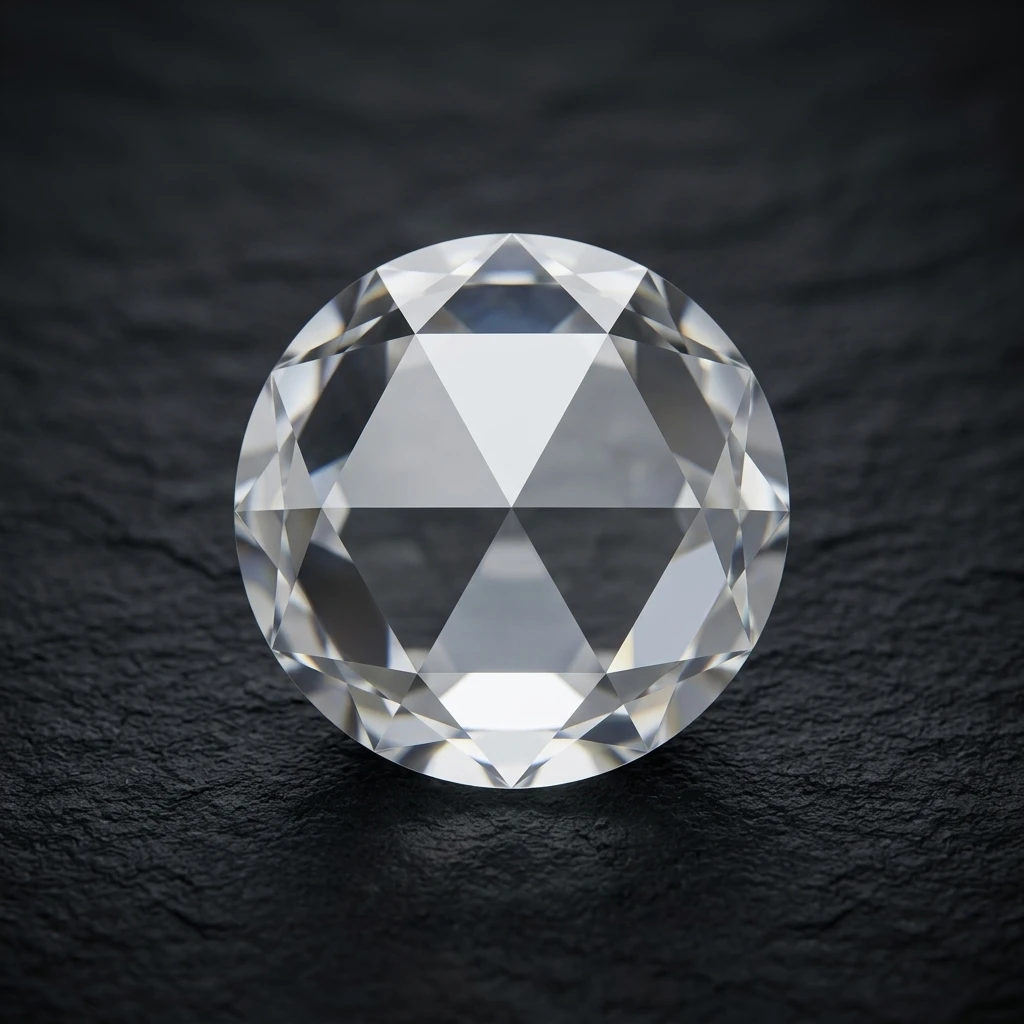
| Rose Cut | 3–24 | Varies | Soft, diffused | −20 to −35% | Vintage, low-profile settings |
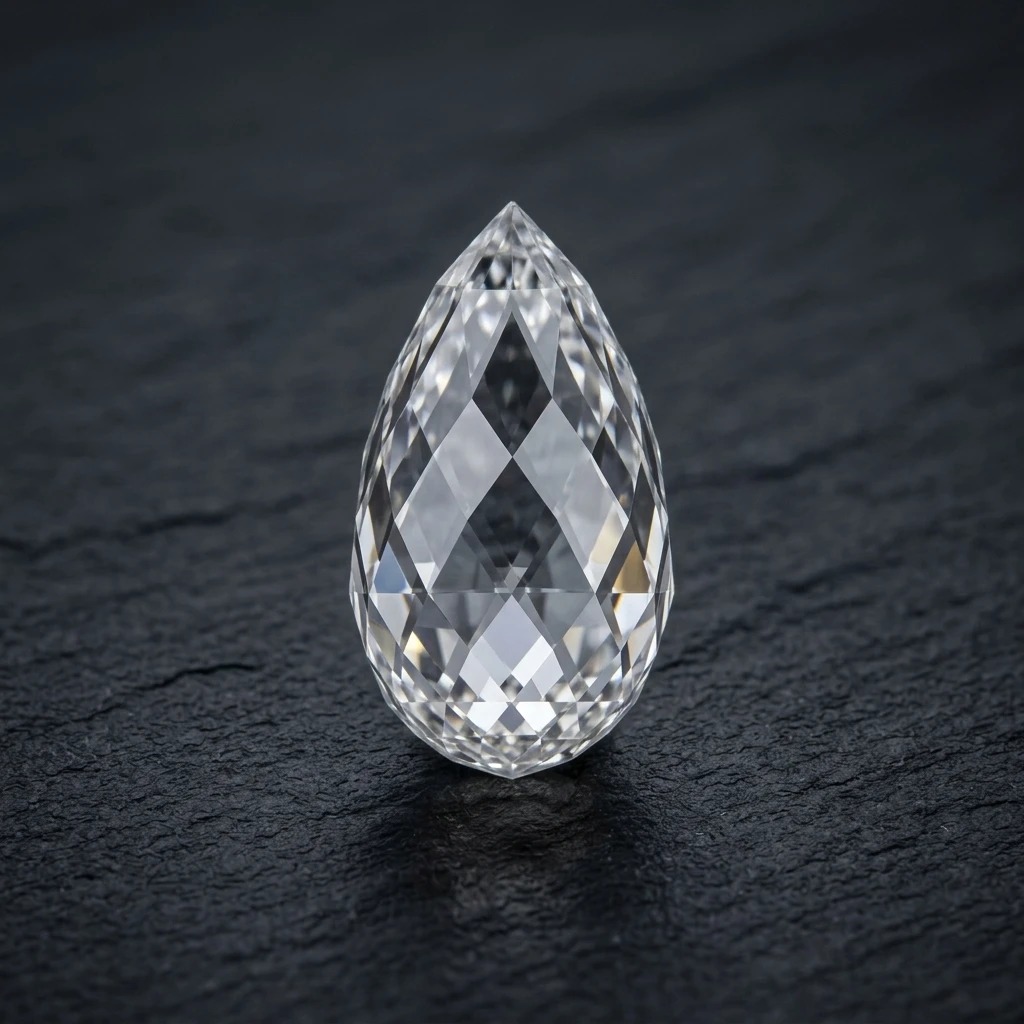
| Briolette | 84+ | Varies | 360° sparkle | Specialty pricing | Pendants, chandelier earrings |
| Baguette | 14 | 1.5–2.5 | Low (accent) | −40 to −60% | Side stones, channel bands |
| Trapezoid | Step | Varies | Moderate (step) | −40 to −55% | Three-stone rings, flanking |
Brilliant Cuts — Maximum Sparkle
Brilliant cuts use triangular and kite-shaped facets arranged to maximise light reflection through the table. They produce the most fire and scintillation of all diamond types. The round brilliant is the benchmark; all other brilliant shapes are called "fancy shapes."
Step Cuts — Clarity & Architecture
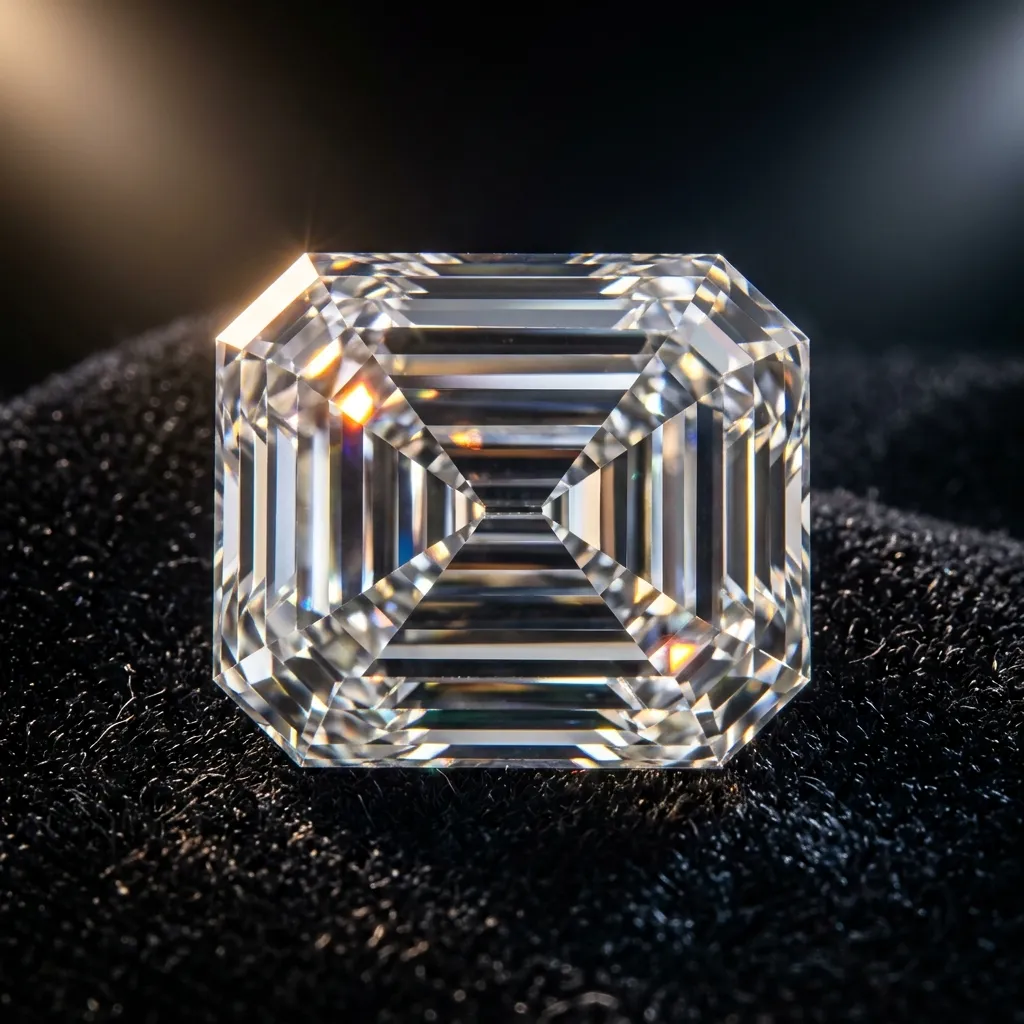
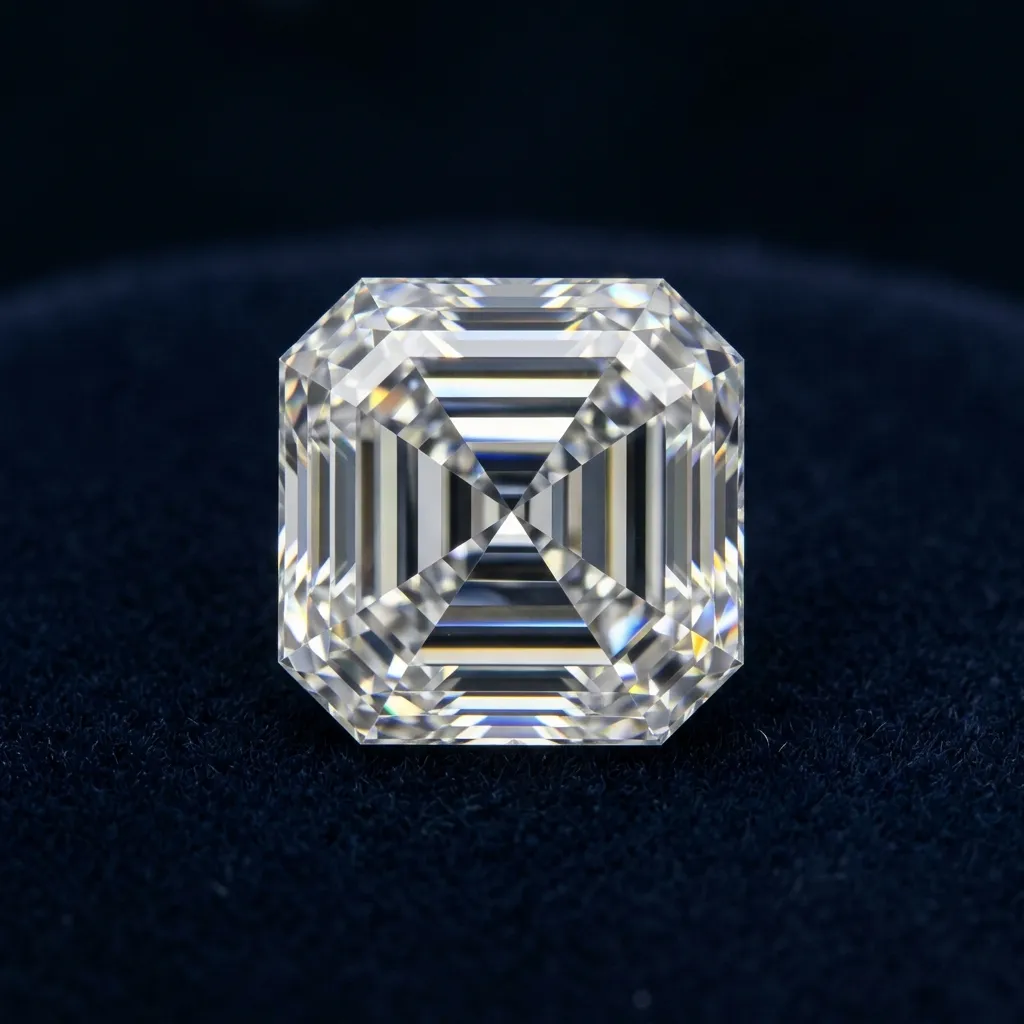
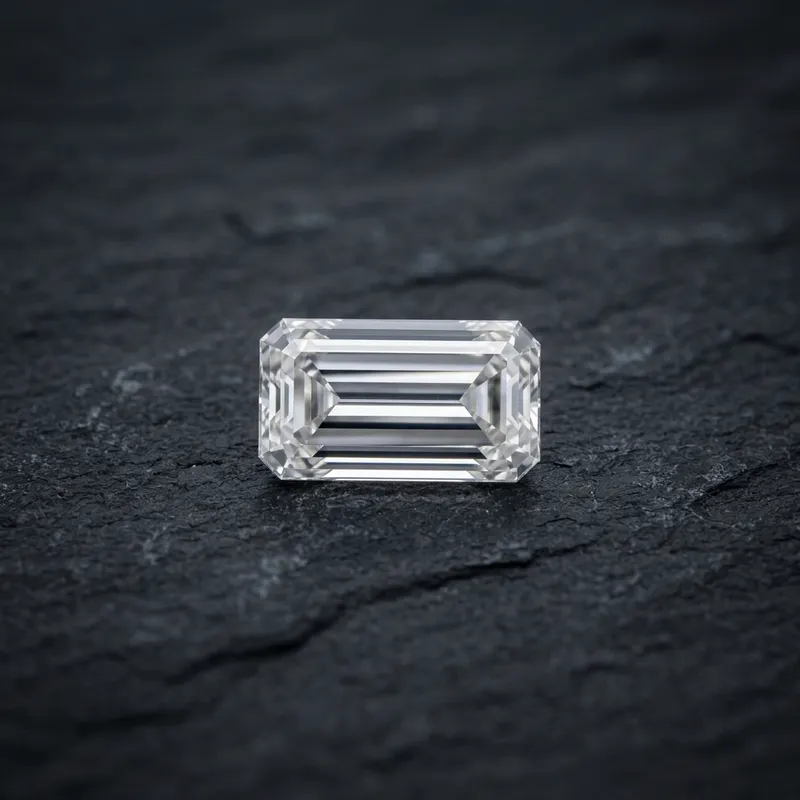
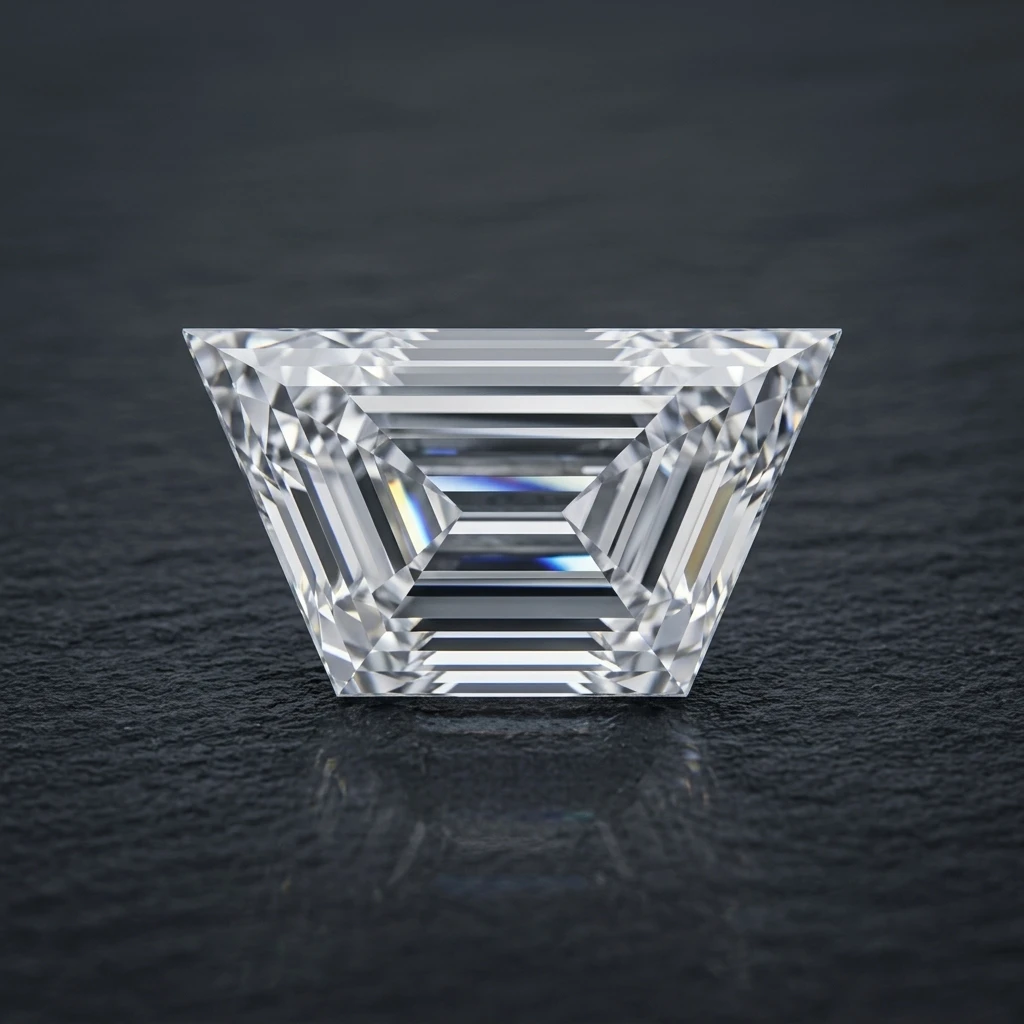
Step cuts use parallel rectangular facets that create a hall-of-mirrors depth rather than brilliance. They emphasise clarity and transparency over sparkle. Inclusions are more visible in step cuts, so higher clarity grades are recommended. These cuts suit buyers focused on the high-clarity, high-value segment.
Specialty & Vintage Cuts
Specialty cuts serve niche but growing markets — vintage-inspired jewellery (rose cut), pendant and chandelier earring settings (briolette), and luxury elongated solitaires (Ashoka). These cuts command premium pricing in the right markets due to their rarity and craft intensity.
Frequently Asked Questions
Which diamond shape is most popular?
The round brilliant cut accounts for over 60% of all diamond sales globally. Its 57–58 precisely angled facets produce the highest light return of any shape, making it the standard against which all others are measured.
Which shape looks biggest for its carat weight?
Elongated shapes — oval, marquise, and pear — appear largest per carat because their surface area spreads across a longer silhouette. An oval can appear 10–15% larger than a round brilliant of the same carat weight.
Which diamond shape is cheapest per carat?
Fancy shapes (non-round) are generally 10–40% less expensive than round brilliants of comparable quality because they lose less rough material during cutting and have lower secondary market demand. Marquise and pear cuts typically offer the best value per carat.
What is the difference between cut and shape?
Shape refers to the outline of the diamond — round, oval, square. Cut refers to how well facets are proportioned and polished to reflect light. GIA grades cut only for round brilliants; for all other shapes it grades polish and symmetry separately.
Which shapes are best for wholesale buyers?
For volume and liquidity, round brilliants have the deepest secondary market. For margin, fancy shapes like oval, cushion, and pear offer lower entry costs with strong retail demand. Side stone cuts like baguette and trapezoid are high-volume but lower per-piece value.
All 15 shapes available wholesale. Browse current inventory or contact us with your specifications.
View Full Collection Get a Quote