Diamond proportions, and why they matter.
Two diamonds with the same colour, clarity and weight can look completely different. The difference is proportion — how the stone is shaped to handle light.
The anatomy of a diamond
A polished diamond has a crown (the top section above the widest point), a girdle (the thin edge at the widest point), and a pavilion (the cone below it), ending in a point or a tiny facet called the culet. The large flat facet on top is the table. Proportions describe the size and angles of each part relative to the stone's diameter.
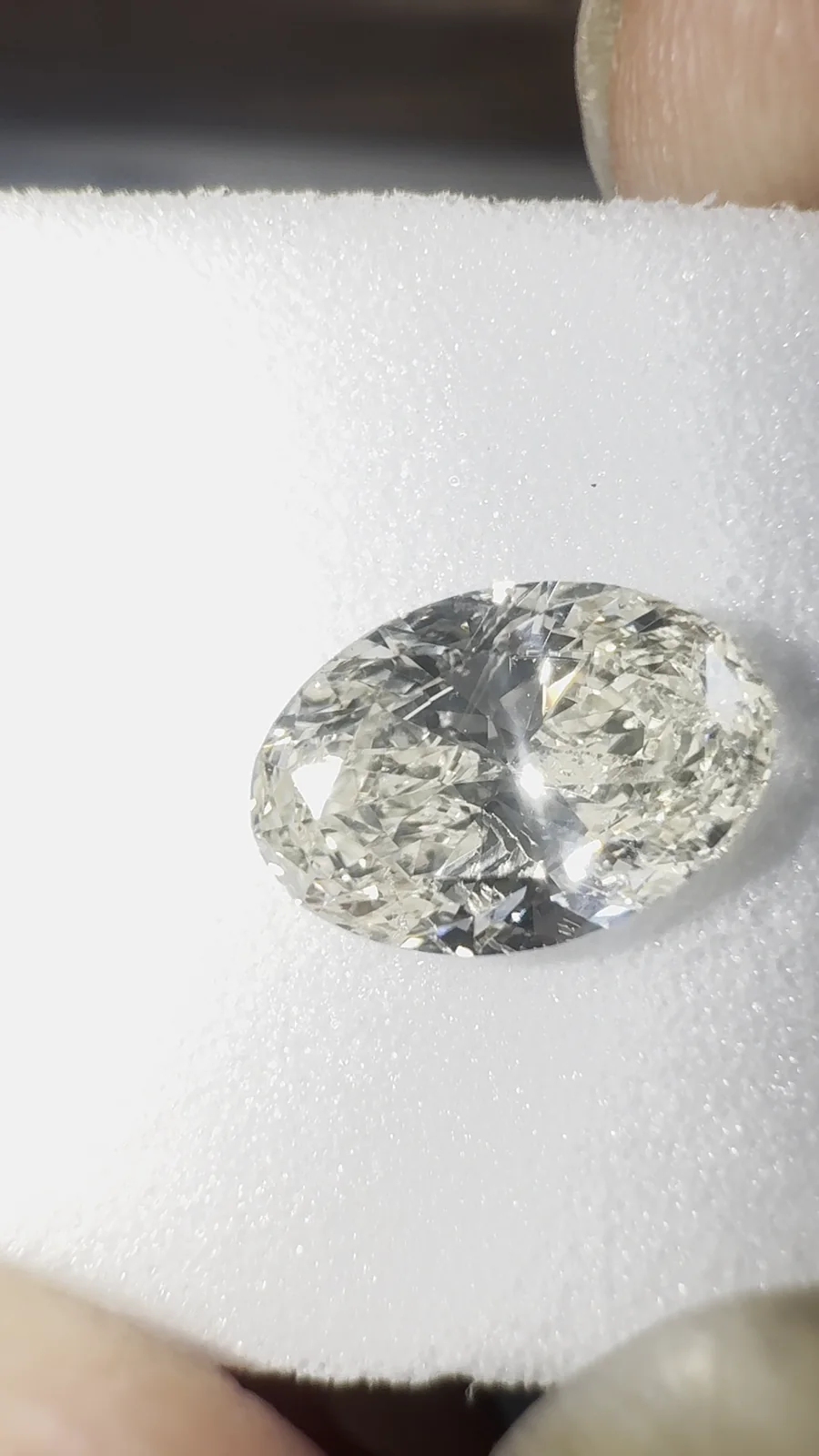
Proportions in a round brilliant
Grading labs judge round brilliants on a combination of measurements. As a guide, stones that grade Excellent for cut commonly fall in these ranges:
| Measurement | Typical range for top cut grades |
|---|---|
| Table | about 53–60% of diameter |
| Total depth | about 59–63% of diameter |
| Crown angle | about 32–36° |
| Pavilion angle | about 40.6–41.8° |
| Girdle | thin to slightly thick |
| Culet | none (pointed) or very small |
No single number makes a stone excellent: the angles work together. A slightly steeper crown can balance a slightly shallower pavilion, which is why labs grade the combination, along with polish and symmetry.
How proportions handle light
- Brilliance is white light returned to the eye. The pavilion angle matters most: too shallow and light leaks out of the bottom; too deep and it escapes through the sides, leaving dark areas.
- Fire is the flashes of colour. A higher crown with a smaller table tends to give more fire.
- Scintillation is the sparkle as the stone or viewer moves, from the pattern of light and dark facets.
A stone cut too deep also "hides" weight in the pavilion, so it looks smaller face-up than its carat weight suggests.
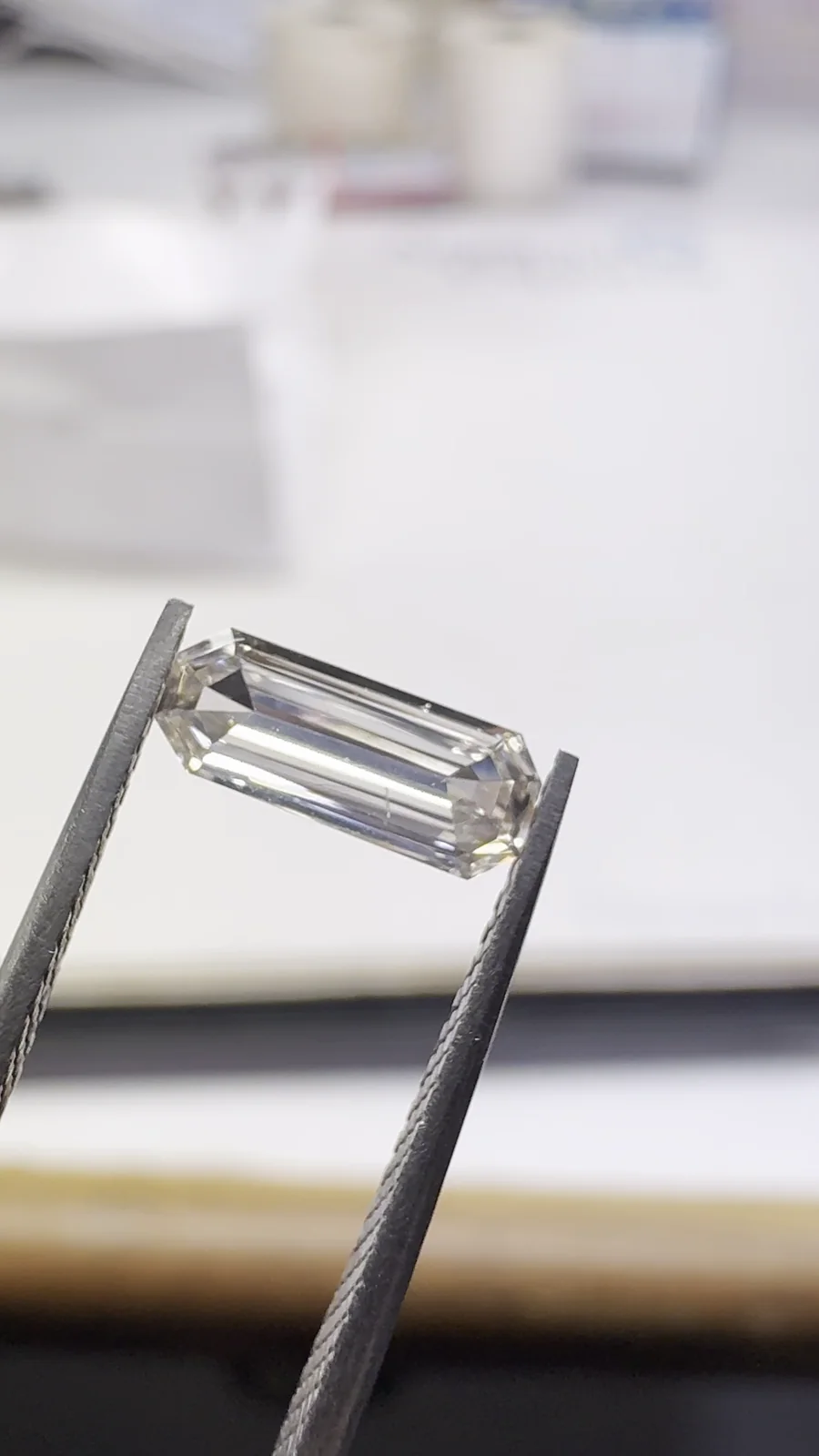
Fancy shapes and length-to-width
Fancy shapes have no single ideal, so buyers judge them on outline, symmetry and length-to-width ratio. Common ranges people look for:
| Shape | Popular length-to-width |
|---|---|
| Oval | 1.30–1.50 |
| Pear | 1.45–1.75 |
| Marquise | 1.75–2.25 |
| Emerald | 1.30–1.50 |
| Cushion | 1.00–1.10 (square) or 1.15–1.30 (elongated) |
| Princess, Asscher | 1.00–1.05 |
Elongated brilliants — ovals, pears, marquises — can show a dark band across the centre called a bow-tie. Some bow-tie is normal; a strong one is a make problem. It does not show on a report, so judge it on video or in person.
Spread versus weight
Face-up size, or spread, depends on proportions as much as weight. Two 1.00 ct stones can differ noticeably in diameter, and a well-spread stone looks bigger for the same price. When comparing stones, look at the millimetre measurements on the report, not only the carat weight. Each of our cut pages lists the ratios we work to.
Questions buyers ask
Straight answers from the deskWhat is the best depth for a round diamond?
Round brilliants with top cut grades commonly have a total depth of about 59–63% and a table of about 53–60%, but the angles must work together.
What is a good length-to-width ratio for an oval diamond?
Most buyers prefer ovals between about 1.30 and 1.50.
What is the bow-tie effect?
A dark band across the centre of elongated brilliants such as ovals, pears and marquises. A strong bow-tie is a cutting issue that does not appear on the report.
Anand Exports has been our primary rough supplier for over twelve years. Their consistency in parcel quality and documentation is unmatched in the market.