Diamond fluorescence, without the myths.
Fluorescence is the glow some diamonds give off under ultraviolet light. It is often discounted on reflex — sometimes rightly, often not. Here is how to judge it.
What fluorescence is
Under ultraviolet light — black light, or the UV in strong daylight — some diamonds emit a visible glow. In most diamonds that glow is blue, caused by tiny traces of nitrogen in the crystal; far less often it is yellow, white or another colour. Roughly a quarter to a third of gem diamonds show some fluorescence, and most of it is faint.
Fluorescence is a characteristic, not a flaw. It does not affect durability, and in ordinary indoor light you will not see the glow at all.
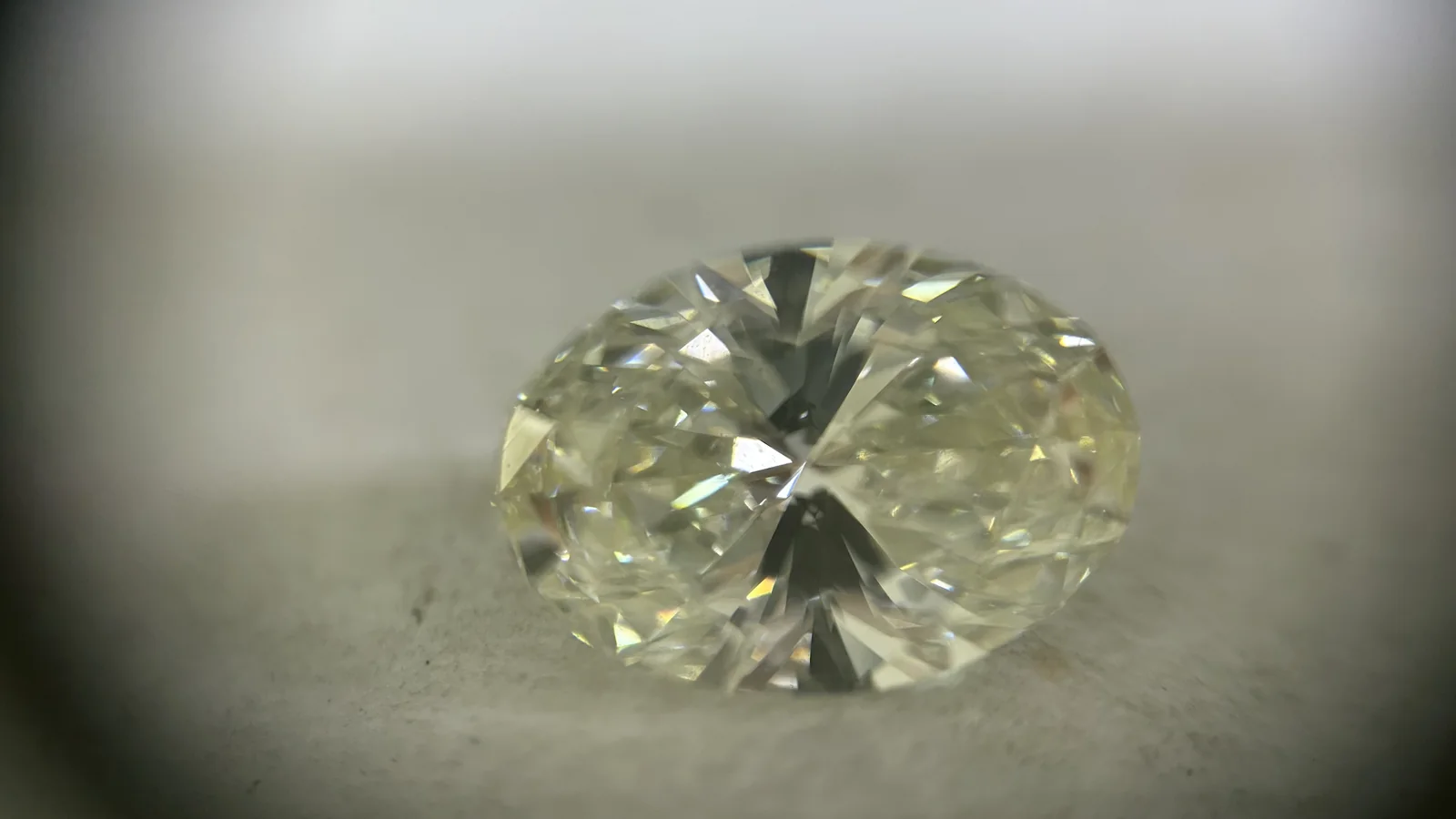
How it is graded
GIA reports describe fluorescence by intensity and, when it is not blue, by colour:
| Grade | In practice |
|---|---|
| None | No visible glow under the lab's UV lamp. |
| Faint | A weak glow; no effect on appearance. |
| Medium | A noticeable glow under UV; normally invisible in everyday light. |
| Strong | A clear glow under UV; worth viewing the stone before buying. |
| Very Strong | An intense glow; the grade most likely to affect appearance. |
Some feeds and other labs add "Very Slight" or use slightly different wording; our live inventory lets you filter by every grade in stock.
Does it affect appearance?
For the great majority of stones, no. GIA's own studies found that most observers could not tell fluorescent from non-fluorescent diamonds in normal viewing. Where it does show, it can work both ways:
- It can help. In lower white colours — roughly I to M — medium to strong blue fluorescence can offset a faint yellow body colour, so the stone faces up a touch whiter.
- It can hurt, occasionally. A small number of very strongly fluorescent stones look slightly hazy or "oily" in bright daylight. That is the reason the trade is cautious with very strong fluorescence in the top colours.
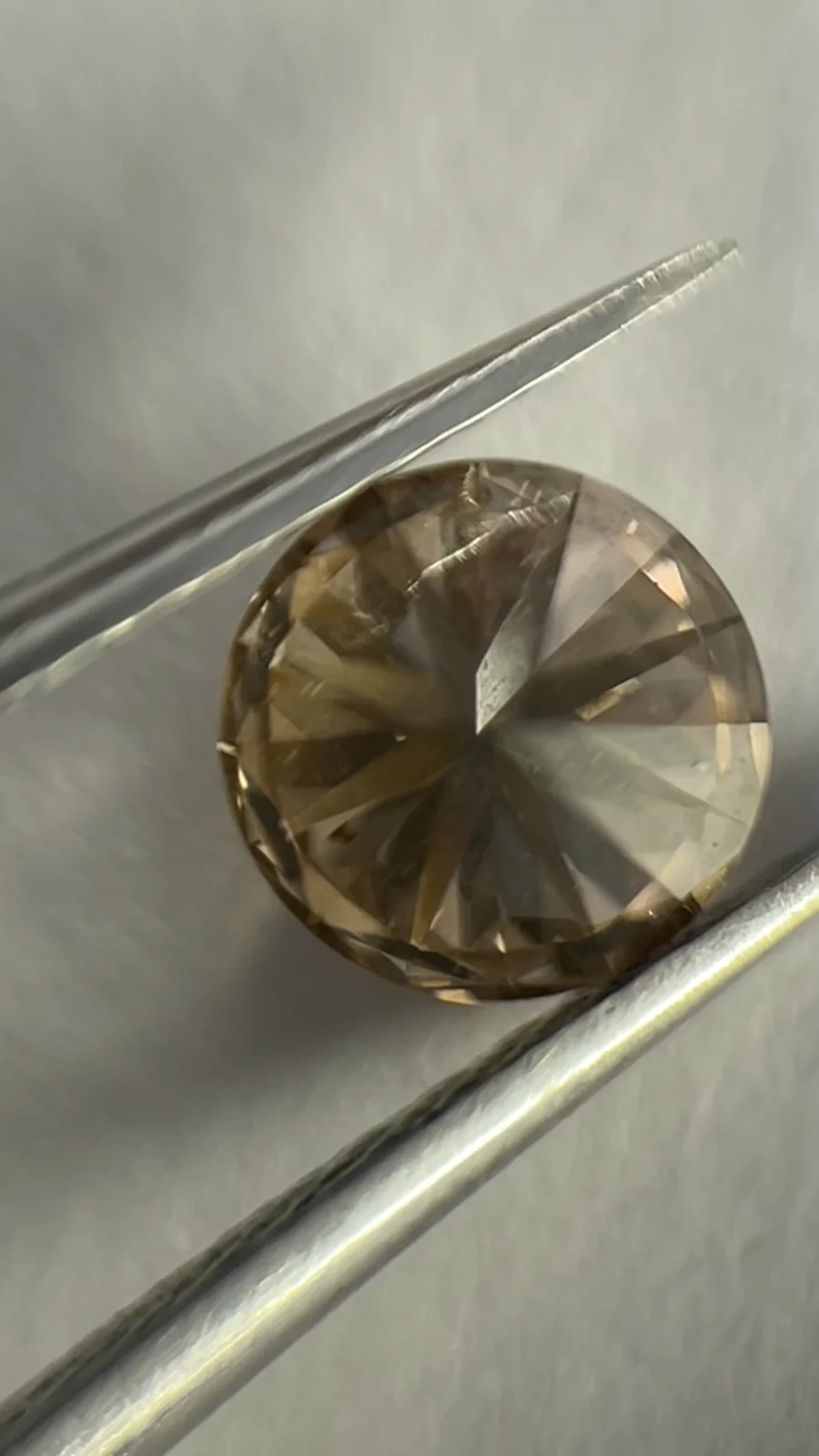
How it affects price
Price follows perception more than optics. In high colours (D to F), strong and very strong fluorescence usually trades at a discount, because buyers at that level want nothing that could be read as a compromise. In lower colours the discount shrinks, disappears, or can even turn into a small premium, because the blue can improve the face-up colour. The size of any discount varies with shape, size, market and the individual stone — there is no fixed rule.
Buying with fluorescence
- Treat None to Medium as neutral for almost every purchase.
- For Strong or Very Strong, ask for a video in daylight and look for any haze. If the stone is crisp, the discount is value in your favour.
- In I to M colours, medium to strong blue can be a positive — compare face-up colour, not just the grade.
- Match fluorescence across pairs and suites, so stones look the same in every light.
Use the fluorescence filter on our live inventory to see what is in stock, or ask the desk for daylight video of any stone.
Questions buyers ask
Straight answers from the deskIs diamond fluorescence bad?
Usually not. Most fluorescence has no visible effect. Very strong fluorescence can occasionally make a stone look hazy, so view those stones before buying.
Does blue fluorescence make a diamond look whiter?
In lower colours, roughly I to M, medium to strong blue fluorescence can make the stone face up slightly whiter.
Why are fluorescent diamonds cheaper?
In top colours buyers treat strong fluorescence as a compromise, so those stones trade at a discount. The effect on price is smaller in lower colours.
Anand Exports has been our primary rough supplier for over twelve years. Their consistency in parcel quality and documentation is unmatched in the market.